What Should You Wear During Monsoon? A Practical Guide to Breathable Clothing for Humid Weather !
Share
The problem with dressing for monsoon weather isn't always the rain.
It is what happens after the rain.
The humidity rises. Clothes begin to cling. Heavy fabrics feel heavier. Some synthetic fabrics and heavier layers can feel less comfortable in hot, humid conditions. An outfit that looked perfect when you left home may feel completely wrong an hour later.
That is why dressing for humid weather requires a different approach.
At Zinniars, we think comfort should begin with the fabric—not be added as an afterthought.
1. Why Humidity Changes the Way Clothing Feels
Humid weather changes how your body experiences clothing.
When the air already contains significant moisture, garments that sit closely against the skin can feel less comfortable. This is one reason relaxed silhouettes and breathable fabrics can become particularly useful during monsoon and humid-weather dressing.
At Zinniars, our design philosophy starts from this exact problem: clothing should work with real movement and real days, rather than simply look good in a photograph.
Our approach uses breathable cotton fabrics, cotton blends and cotton-linen fabrics alongside relaxed silhouettes and practical details.
2. Start With the Fabric
When choosing clothing for humid weather, don't begin with the colour or trend.
Begin with the fabric.
Cotton
Cotton remains one of the most practical choices for warm and humid conditions.
It is comfortable against the skin and works particularly well when used in relaxed silhouettes that allow movement.
For example, Zinniars Beera Cotton Lounge Shorts are made from 100% natural matt-weave cotton and designed as a relaxed utility piece.
They can work beyond the conventional idea of "nightwear"—with a shirt, oversized tee or even underneath a casual dress.
Cotton blends
A cotton blend can offer a different combination of comfort, durability and ease of care.
The important question isn't simply:
"Is it cotton?"
Instead ask:
"What is the fabric construction, how does it feel against the skin, and how is the garment designed?"
The fibre content is only one part of the experience.
Linen and cotton-linen
Cotton-linen fabrics are particularly interesting for warm-weather wardrobes because they combine characteristics of both fibres.
Zinniars uses cotton-linen in styles such as the Zivaa cotton-linen ensemble and Naira cotton-linen midi dresses.
The result can be especially suited to relaxed dressing, travel and warm-weather occasions.
3. The Silhouette Matters as Much as the Fabric
This is something shoppers often overlook.
Two garments can use similar fabric and feel completely different.
Why?
Pattern and fit.
A very fitted garment leaves less room for air and movement.
A relaxed silhouette can create a more comfortable relationship between the garment and the body.
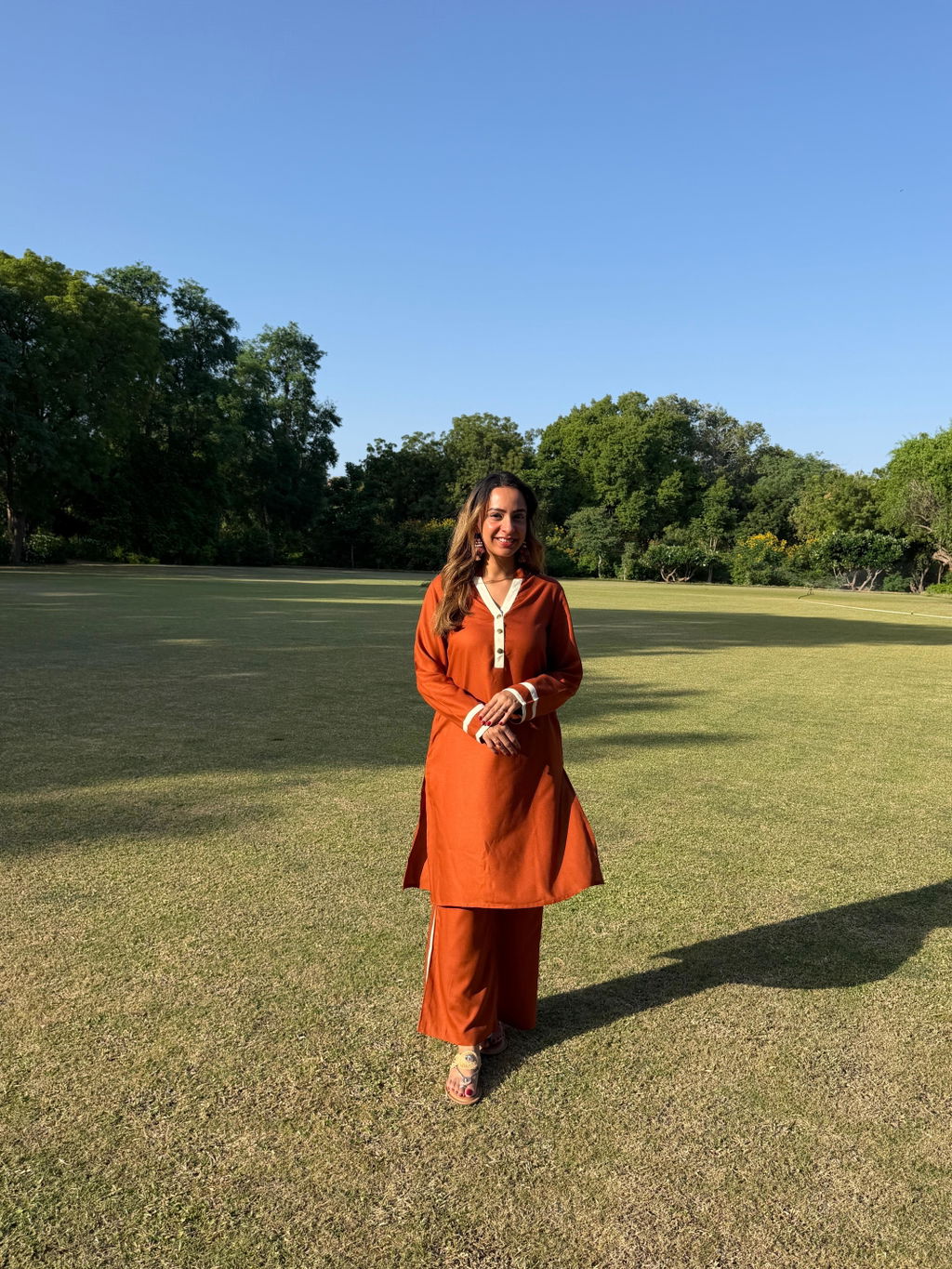
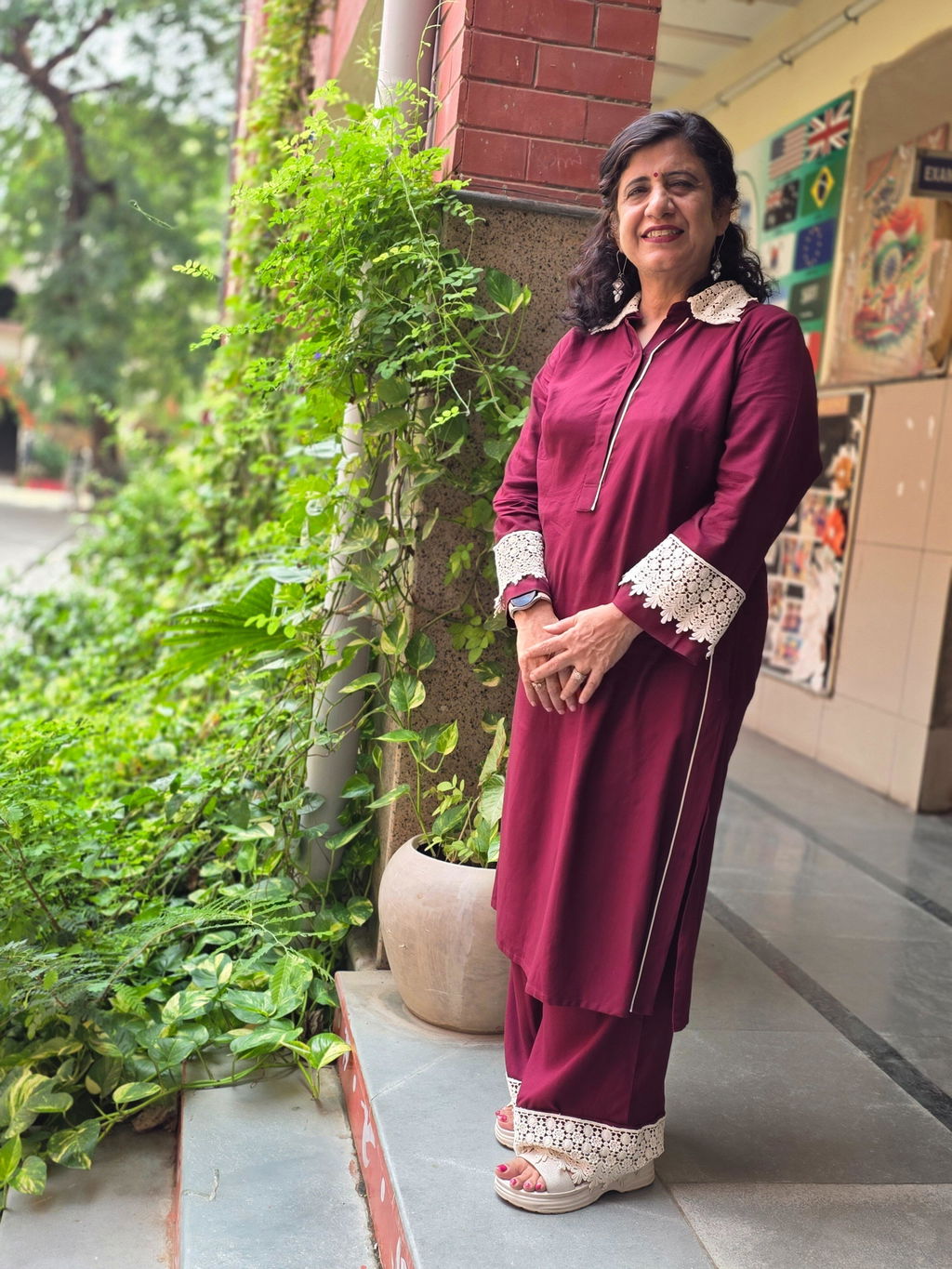
That is why relaxed shirts, easy dresses, wide-leg trousers and co-ord sets are useful building blocks for a humid-weather wardrobe.
At Zinniars, relaxed silhouettes are part of the design philosophy rather than simply a seasonal trend.
4. What to Wear on a Humid Monsoon Day
Instead of thinking about individual trends, build an outfit around three principles:
1. Breathable base
Choose cotton, cotton blends or other breathable fabrications appropriate to the weather.
2. Comfortable silhouette
Look for enough room to move naturally.
3. Simple layering
If you need another layer because of air conditioning, travel or evening weather, choose something that can be removed easily.
A relaxed shirt over a camisole is often more versatile than a heavy jacket.
A cotton dress can work with flat sandals during the day and a more structured shoe later.
A co-ord can be worn together or separated into individual outfits.
5. Monsoon Doesn't Mean You Have to Dress Like It's "Rainwear"
This is where personal style comes in.
You don't need technical rainwear from morning to night.
Instead, think about weather-responsive dressing.
For example:
Morning:
Cotton shirt + relaxed trousers
Afternoon:
Camisole + lightweight overshirt
Evening:
Cotton dress + structured layer
Travel:
Relaxed co-ord + comfortable footwear
The goal is not to dress for rain.
It is to dress for everything that happens around the rain.
6. Choose Clothes You Can Actually Live In
This is the philosophy behind Zinniars.
Our women's collections are designed around real moments—home, work, travel, weekends and stepping out.
The brand's design philosophy focuses on breathable fabrics, relaxed silhouettes and garments designed to be worn repeatedly rather than treated as one-time occasion pieces.
That is also why we believe a wardrobe should contain pieces that can move between situations.
7. How to Care for Humid-Weather Clothing
The right fabric still needs the right care.
After wearing
Don't leave damp clothing sitting in a closed laundry basket for too long.
Allow garments to air where appropriate before washing.
During washing
Follow the individual garment's care instructions.
Avoid unnecessarily aggressive washing.
During drying
Dry garments thoroughly before storing them.
Humidity and poorly dried clothing are not a good combination.
During storage
Give clothes enough space to breathe.
This is particularly important during prolonged humid weather.
8. A Simple Monsoon Wardrobe Formula
If you're rebuilding your wardrobe for August and September, start with:
2–3 breathable shirts
2 relaxed bottoms
1–2 easy dresses
1 versatile co-ord
1 lightweight layer
comfortable everyday footwear
Then build outfits by mixing them.
You don't necessarily need more clothes.
You may simply need better combinations of the clothes you already own.
Frequently Asked Questions
What fabric is best for humid weather?
Cotton is one of the most practical choices for humid weather because of its comfortable, breathable nature. However, the overall garment experience also depends on fabric construction, weight, fit and silhouette.
Are loose clothes better for humid weather?
Relaxed clothing can provide greater ease of movement and may feel more comfortable than very fitted garments in warm and humid conditions.
Is cotton good for monsoon?
Yes, cotton can be a practical choice for monsoon dressing, particularly when the garment is lightweight, breathable and cared for properly.
What should women wear in humid weather?
Look for breathable fabrics, comfortable silhouettes and garments that can be layered or separated easily. Shirts, dresses, relaxed trousers and co-ords are versatile choices.
How should cotton clothes be stored during monsoon?
Make sure garments are completely dry before storing them and avoid overcrowding your wardrobe.
The best monsoon outfit isn't the one that survives the weather.
It is the one you forget you're wearing.
That is the standard we keep coming back to at Zinniars: real movement, real moments and real comfort.
Explore the Zinniars women's collection and discover breathable, relaxed pieces designed for real movement, real moments and everyday comfort.